One of the questions our guests ask me most often is:
“Where did you learn to cook?”
They’re often surprised when I tell them that I don’t actually hold any formal chef qualifications. Apart from my food hygiene certification, I don’t have a culinary diploma or years spent training in professional kitchens.
In fact, when you’re cooking for small groups rather than working in a restaurant, formal qualifications aren’t necessarily required at all.
What I do have is a lifetime of experience, a genuine love of food, and some incredible opportunities that taught me more than any classroom ever could.
Looking back, my love of cooking really began at home.
I was very fortunate to grow up with a mother who cooked almost everything from scratch. Long before “home cooking” became fashionable again, it was simply the way we lived.
Mum baked iced buns, hot cross buns, cheesecakes, cakes, and biscuits. She made lasagnes, family meals, puddings, and Sunday roasts. Our meals were wholesome, homemade, and always prepared with care. In fact, Mum was one of those wonderfully creative people who seemed able to do absolutely everything. Not only did she cook, but she also made many of our clothes and somehow managed to create a warm and welcoming home around us.
My parents also grew much of our own produce.
I still remember spending summer afternoons picking raspberries, gooseberries and broad beans from the garden. We lived in the countryside, surrounded by fields, and although our house was only semi-detached, we were lucky enough to have a large garden where we grew vegetables and kept chickens and ducks.
Fresh eggs were simply part of everyday life.
Looking back now, I realise that my determination to serve the freshest ingredients possible to our guests comes directly from those childhood experiences. When you’ve grown up collecting eggs in the morning and eating fruit you’ve picked yourself, you gain a real appreciation for where food comes from.
As a child, I wasn’t particularly interested in becoming a cook. However, I spent countless hours watching my mother prepare meals and helping her in the kitchen. Without realising it, I was learning the foundations that would stay with me for the rest of my life.
By the time I left home, I could confidently prepare dishes such as spaghetti Bolognese, lasagne, and a variety of family favourites. During my twenties, my interest in food grew steadily and I became increasingly adventurous in the kitchen, experimenting with recipes and building my confidence.
At the time, I had absolutely no idea that cooking would eventually become part of my career.
That only happened after I met Nathan and we decided to pursue a life in the yachting industry.
Like many people, I had very little understanding of what working on yachts actually involved. I imagined small kitchens, limited facilities, and cooking simple meals while balancing on a boat at sea. What I didn’t realise was that many of the yachts we’d eventually work aboard had fully equipped galleys that rivalled the kitchens found in many homes and apartments.
Our first major opportunity came when we joined Tradewinds.
Looking back, I honestly couldn’t have wished for a better introduction to cooking professionally.
Tradewinds had developed an incredibly detailed training system for new crew. Every meal, recipe, shopping list, and menu was carefully planned. The instructions were so thorough that it was almost harder to get things wrong than it was to succeed.
To this day, I still admire the work that Jannica, our operations manager, put into creating those menus. Many of the recipes were not only delicious but also practical, reliable, and perfectly suited to feeding groups of guests.
In fact, versions of many of those original recipes still appear in my cooking today, and several have even found their way into my recipe book.
Over the next few years, Nathan and I worked in various locations throughout the Caribbean and Mediterranean. Each destination introduced us to different ingredients, cooking styles, and local traditions.
We cooked in places such as Guadeloupe, Belize, Greece, and many other beautiful destinations throughout the Caribbean and Mediterranean.
One memory that always makes me smile is being asked to prepare Callaloo Soup in Belize. At the time, I had never even heard of callaloo. Yet experiences like that taught me one of the most valuable lessons I’ve ever learned about cooking.
Once you understand flavour, ingredients, balance, texture, and seasoning, you can cook almost anything.
You learn how acidity brightens a dish, how herbs change its character, and how small adjustments can completely transform a recipe. Cooking becomes less about following instructions and more about understanding how food works.
Those years travelling and cooking around the world gave me a confidence and adaptability that I still rely on today.
As the years passed, Nathan and I moved into the private yachting sector, where the style of cooking became more varied and often more refined.
Whilst Tradewinds had given me an incredible foundation, private yachting encouraged me to become much more creative. I was now writing my own menus, tailoring meals to individual guests, and cooking a wider range of dishes.
It was during this period that I attended several courses at the renowned Ashburton Cookery School in Devon.
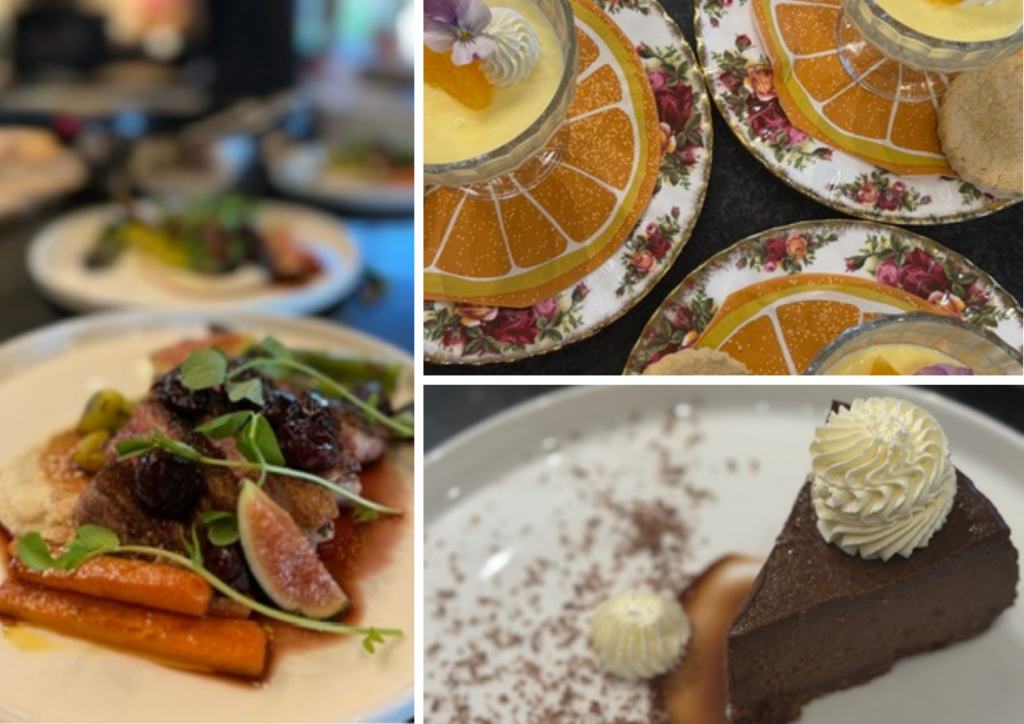
Of all the courses I attended, the most valuable by far was a week-long knife skills course.
It might not sound particularly glamorous, but it completely transformed the way I worked in the kitchen. Learning how to use knives correctly, efficiently, and confidently was a genuine game-changer. Suddenly everything became quicker, more precise, and more professional.
Looking back, that was probably the moment I stopped feeling like someone who enjoyed cooking and started feeling like a chef.
There is an interesting distinction in the culinary world between being called a cook and being called a chef. Whilst the titles are often used interchangeably, there is sometimes an unspoken suggestion that a chef has reached a certain level of skill, experience, and professionalism.
I’ve always found that quite amusing because there is no official moment when someone taps you on the shoulder and says, “Congratulations, you’re now a chef.”
Instead, it tends to happen gradually as your confidence grows and the quality of your food improves.
Over the years, guests have occasionally joked that my food is Michelin-star quality. Whilst that is always a wonderful compliment, I can assure you that I am certainly not a Michelin-star chef, nor have I trained in Michelin-star kitchens.
The reality is that restaurant cooking and what I do are two very different worlds.
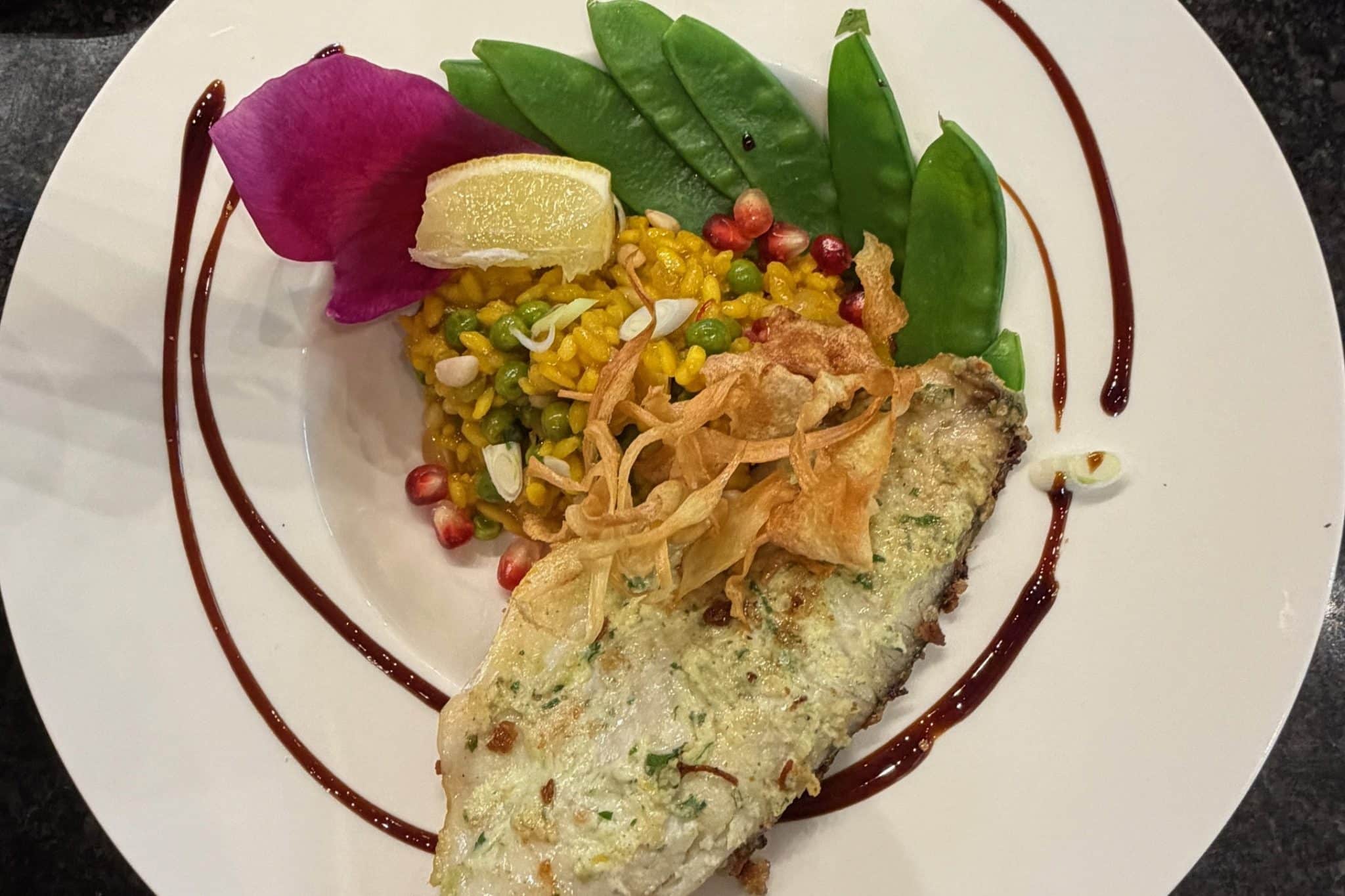
In a Michelin-star restaurant, you have an entire brigade of people working together. There are multiple chefs, pastry chefs, sous chefs, kitchen porters, and people dedicated solely to presentation and plating.
I work very differently.
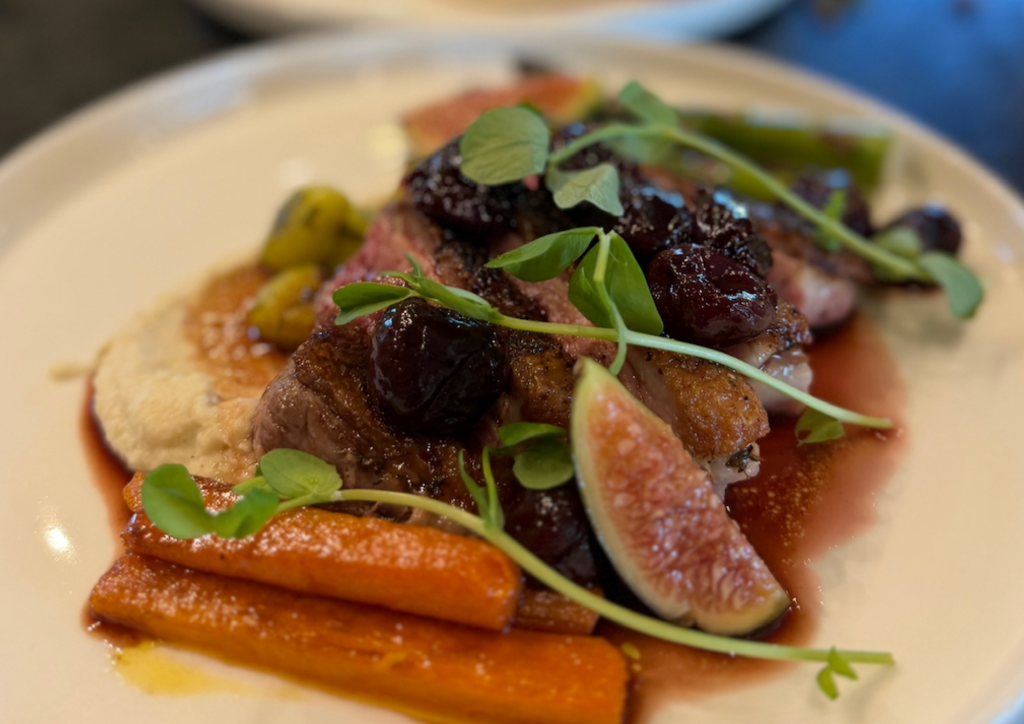
Whether I was on yachts or here at Well Cottage, I have almost always cooked independently. From planning menus and shopping to preparation, baking, cooking, and serving, I generally manage the entire process myself.
One thing that yachting taught me particularly well was how to cater for dietary requirements.
Long before dietary requests became as common as they are today, we were already adapting menus for allergies, intolerances, preferences, and special requests. Tradewinds was exceptional at this. Every menu included alternatives, and it quickly taught us that great hospitality is about flexibility rather than limitation.
Those experiences taught me that there are almost always options available. Nobody should ever feel like they’re missing out because of a dietary requirement.
When Nathan and I eventually left the yachting industry and settled in Dorset, my cooking evolved once again.
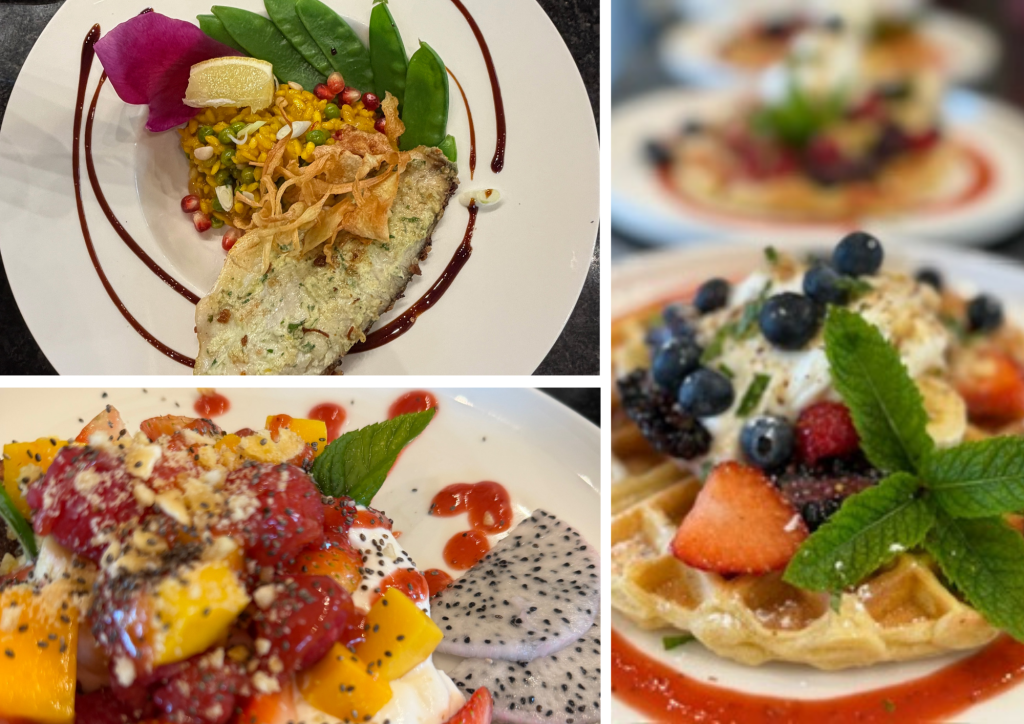
The focus naturally shifted towards traditional English food, homemade baking, seasonal ingredients, and the comforting dishes that people hope to experience when they visit England.
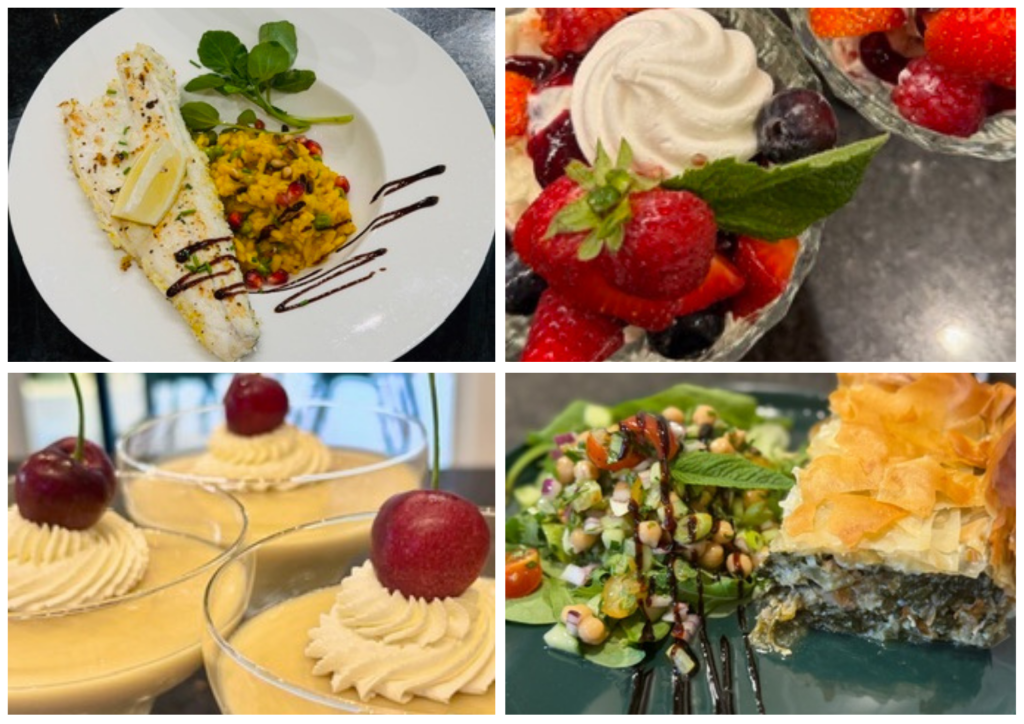
I’ve probably baked more cakes since moving to Well Cottage than I did during my entire yachting career.
After all, we British do love our tea.
We love tea with cake, tea with biscuits, cream teas, afternoon teas, and occasionally even a celebratory champagne tea. It would feel almost wrong not to embrace those traditions.
Another thing I’ve come to love is preparing picnics.
There’s something wonderfully English about packing sandwiches, homemade treats, fruit, and refreshments before heading off to a castle, stately home, garden, or coastal viewpoint.
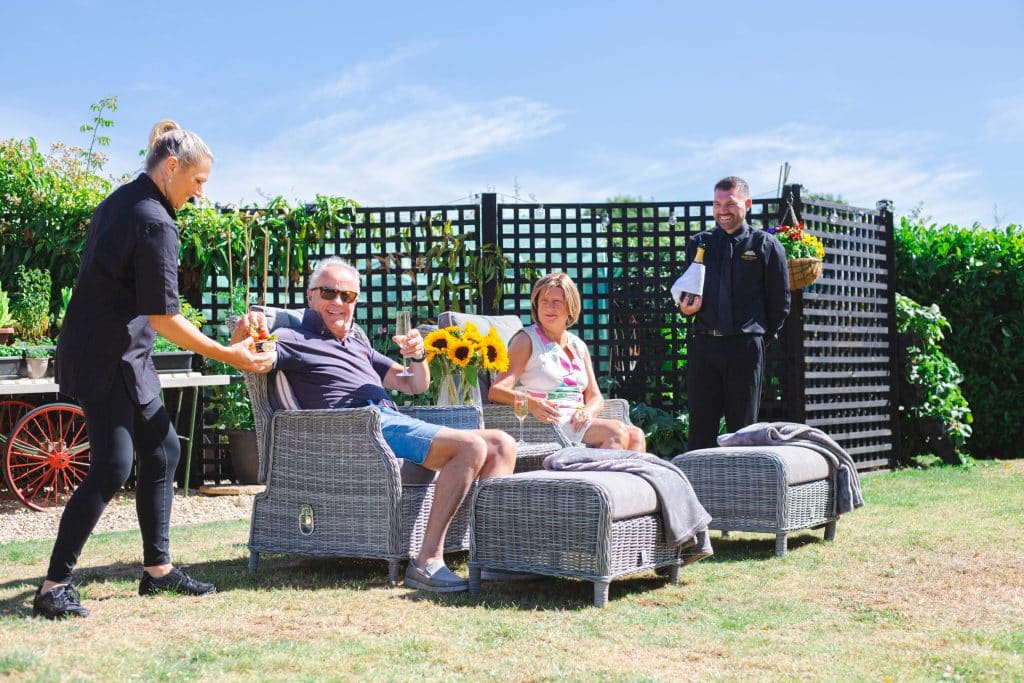
Many of our guests tell us that those simple picnic lunches become some of their favourite memories from their vacation.
Perhaps because they’re not simply eating lunch — they’re sitting beneath ancient trees, overlooking historic landscapes, or enjoying views that have remained largely unchanged for centuries.
And that brings me to where I am today.
I still love learning. I still enjoy discovering new recipes, techniques, and ideas. I will almost certainly attend more courses in the future simply because cooking remains one of my greatest passions.
But I’ve also reached a point where experience has taught me something valuable.
If something works well, there is no need to overcomplicate it.
Many of the recipes I use today have evolved over years of testing, refining, and serving them to hundreds of guests. They are dishes that people genuinely enjoy and regularly ask me for afterwards.
Perhaps the greatest compliment I receive is that guests consistently tell me how much they enjoy the food during their stay.
That never gets old.
In fact, I care enormously about our guests’ dining experience.
I always encourage people to tell me if there is something they would like adjusted, changed, or adapted. I genuinely mean that. I would be absolutely mortified to think someone wasn’t enjoying their meals and felt unable to say so.
For me, cooking has never really been about impressing people.
It’s about making them feel welcome.
It’s about creating memories.
And it’s about bringing people together around a table — something I’ve been fortunate enough to experience from my childhood kitchen, to yachts in the Caribbean and Mediterranean, and now here at Well Cottage in the heart of the English countryside.
Food is, and always has been, one of the most important ways I show people that they’re welcome here. And that’s why it remains such an important part of the English Cottage Vacation experience.